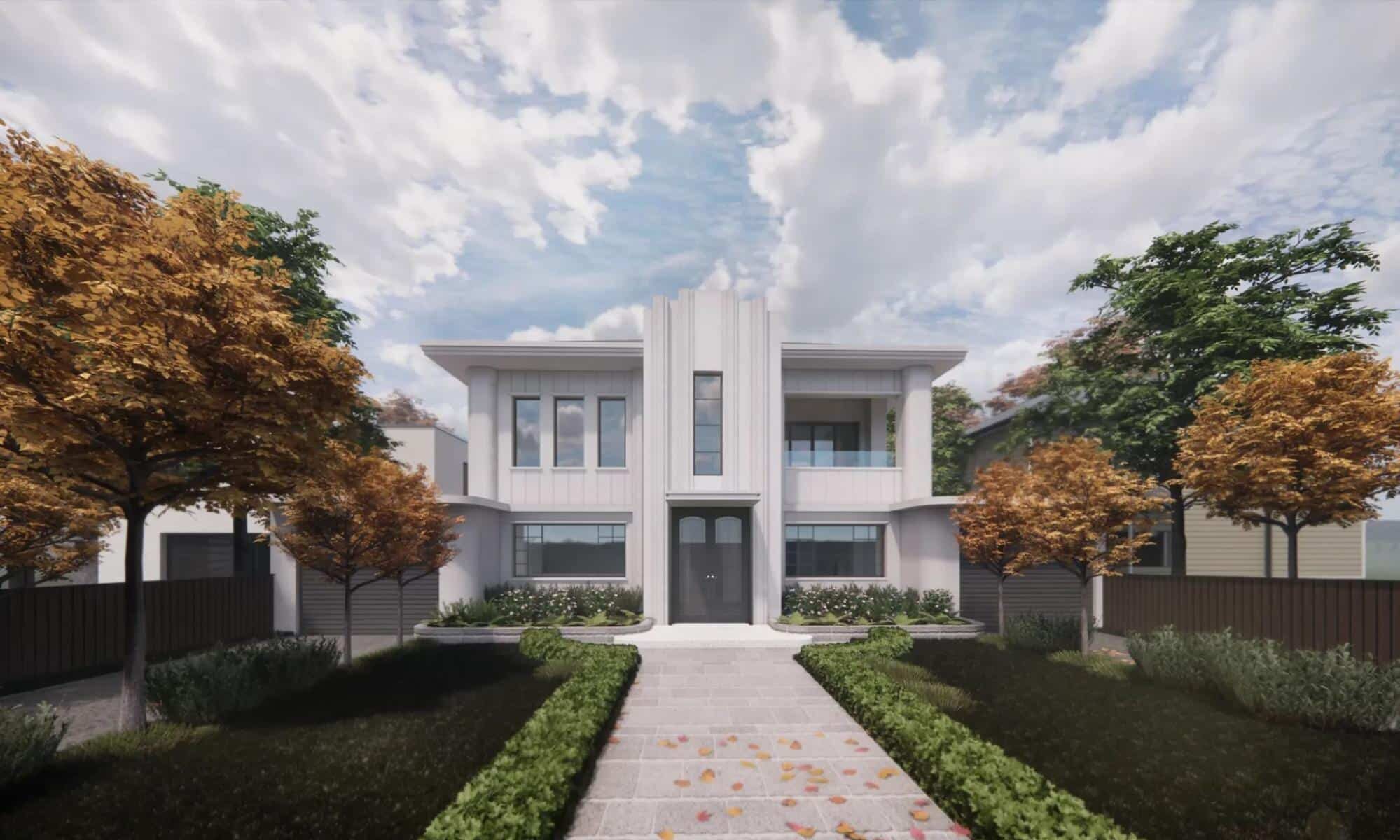
This article examines what biophilic design involves structurally, how it contributes to property value and occupant wellbeing, what it costs in the context of a Melbourne luxury home, and how experienced modern architects in Melbourne approach it as part of a comprehensive residential design process.
What Is Biophilic Design and Why Is It Relevant to Melbourne Homeowners?
Biophilic design is an evidence-based architectural approach that seeks to strengthen the relationship between a built environment and the natural world. The term draws from the concept of biophilia, which refers to the innate human tendency to seek connection with nature. In residential architecture, this translates into design decisions that incorporate natural light, organic materials, living greenery, water elements, and spatial configurations that provide both visual access to the outdoors and a genuine physical connection between interior and exterior spaces.
Decades of research confirm that environments designed around these principles reduce physiological stress markers, support better sleep and cognitive function, and create spaces that occupants find measurably more restorative than conventional interiors. In an urban context like Melbourne, where residential blocks are becoming more compact and high-density living is becoming more common, these principles carry particular weight. Melbourne’s temperate climate, strong design culture, and growing market focus on residential wellness make it one of the most suitable cities in Australia for this approach to be applied at a high level.
How Biophilic Design Fits Into a Modern Luxury House Design
Biophilic design is not an aesthetic layer applied to a finished plan. It is a set of principles that must inform the foundational decisions of a modern luxury house design, including how the building is oriented on the site, where openings are placed to maximise natural light and passive ventilation, how interior spaces connect with outdoor gardens and terraces, and what materials are specified throughout the build.
In practice, a well-executed biophilic luxury home uses Australian hardwood for warmth and tactility, stone benchtops and natural tile for durability and organic texture, and floor-to-ceiling glazing systems that dissolve the boundary between the living area and the garden. High ceilings and strategically positioned clerestory windows carry natural light deep into the plan, while carefully considered spatial transitions create areas of openness alongside quieter, more intimate retreat spaces.
When these decisions are made at the schematic design stage rather than retrofitted later, the overall effect is a home that feels composed and grounded rather than decorated. The biophilic quality becomes inseparable from the architecture itself.
View Our Services
What Are the Key Elements of Biophilic Design in a Luxury Home?
A well-executed biophilic home combines several design elements that work better together than individually:
- Natural light maximised through large windows, skylights, and clerestory glazing
- Living walls, indoor planting, and courtyard gardens built into the floorplan
- Natural materials, including timber, stone, clay render, and textured finishes
- Water features in living and entertaining zones that introduce sound and movement
- Seamless indoor-outdoor transitions through sliding or bifold glazing and consistent floor levels
- Spatial variety between open, light-filled communal areas and smaller enclosed retreat spaces
These elements are most effective when planned together from the earliest design phase, with each decision shaped by the site, orientation, and how the client intends to live in the home.
Does Biophilic Design Increase the Value of a Luxury Home?
Multiple research studies confirm that biophilic design has a measurable positive impact on residential property values. The financial case extends beyond resale price alone: properties designed with natural ventilation, thermal mass, and passive solar strategies consistently perform better on energy costs, which strengthens the long-term financial case for the investment.
Melbourne’s luxury residential market increasingly reflects buyer priorities that go beyond floor area and material quality. Purchasers at the high end of the market are placing greater weight on how a home supports physical and mental well-being, and biophilic design addresses this directly. When modern architects in Melbourne integrate these features as core architectural components rather than optional extras, they become significant market differentiators that support both initial valuation and long-term resale performance.
What Are the Real Benefits for Homeowners Beyond Aesthetics?
The documented benefits of biophilic design extend well beyond visual appeal and contribute to measurable improvements in occupant health, comfort, and long-term running costs:
- Improved sleep quality through exposure to natural light cycles, which support circadian rhythm regulation and reduce dependence on artificial lighting during evening hours
- Enhanced indoor air quality is achieved through thoughtfully maintained indoor planting combined with natural ventilation strategies built into the architectural design
- Reduced heating and cooling costs, can significantly reduce energy consumption
- Greater productivity and cognitive clarity in home office settings, where access to natural light and greenery has been shown to improve focus, reduce mental fatigue, and support sustained concentration
Explore Our Services
What Does Biophilic Design Cost in a Luxury Melbourne Home?
The cost of biophilic design in a luxury home varies considerably depending on the scope of features selected and, critically, how early they are incorporated into the design process. Foundational biophilic decisions such as building orientation, window placement for passive solar performance, natural cross-ventilation, and material selection can be planned without a significant cost premium when they form part of the original design brief. These decisions deliver long-term thermal and energy benefits that offset initial investments over the life of the building.
More feature-intensive elements, including living walls, integrated water features, bespoke glazing systems, and landscaped courtyard spaces, represent a more substantial investment. The financial justification for these features rests on three factors: energy cost reductions over time, lower long-term maintenance requirements for quality natural materials compared to synthetic alternatives, and the documented uplift in property value that well-designed biophilic homes consistently achieve in Melbourne’s luxury market.
Retrofitting biophilic features to an existing home after construction is both more costly and less effective than planning them from the design stage. This is why the selection of an architectural practice with genuine experience in this design approach is a financially significant decision in its own right.
Are There Any Drawbacks to Biophilic Design?
Biophilic design has real challenges that are worth understanding before committing to specific features:
- Higher upfront costs for feature-heavy applications such as living wall systems, custom water features, and high-performance glazing
- Ongoing maintenance for living walls and indoor planting, which require consistent professional attention to remain effective
- Thermal performance risks when passive heating and cooling are not fully resolved in the design documentation, particularly in Melbourne’s variable climate
- Site and planning constraints related to block size, orientation, and council requirements that may limit what can be implemented
These challenges are manageable with thorough planning and early coordination across the design team, engineers, and relevant authorities. Most issues arise when biophilic features are introduced late in the process rather than integrated from the start.
How Modern Architects in Melbourne Approach Biophilic Design
The quality of the architectural process is the most significant determinant of whether biophilic design succeeds in a residential project. An approach that embeds these principles at every stage of design and documentation produces fundamentally different outcomes than one that applies them selectively toward the end of a project.
At Wang Architects, the process begins with a detailed client briefing that establishes a thorough understanding of the client’s personality, lifestyle preferences, functional requirements, and aesthetic sensibility. This foundation informs every subsequent design decision, ensuring that biophilic elements are shaped around the people who will actually inhabit the home rather than imposed as a predetermined design direction. From schematic design through to design development, construction documentation, and on-site delivery, the team works in close coordination with structural and services engineers, building surveyors, and planning authorities to ensure that biophilic intentions translate accurately into built outcomes.
Get in Touch
Biophilic Design Features Worth Prioritising in Melbourne’s Climate
Melbourne’s climate requires biophilic features to be designed for year-round performance, not just ideal conditions. The following elements deliver the highest impact in this context:
- Operable louvres and high-level openings that allow cross-ventilation in summer without increasing heat gain
- Deep eaves, pergolas, and vertical shading that block summer sun while letting winter light into the home
- High-performance thermally broken glazing that keeps the home comfortable without cutting off views to the garden
- Drought-tolerant native planting suited to Melbourne’s rainfall patterns, requiring minimal irrigation and upkeep
- Thermal mass in concrete floors, stone walls, and rammed earth that absorbs heat during the day and releases it at night
FAQs About Biophilic Design
1. Is Biophilic Design Only Suitable for New Builds, or Can It Be Incorporated Into an Existing Luxury Home?
Biophilic design principles can be applied to both new builds and existing homes, though the scope and effectiveness differ substantially between the two scenarios. In a new build, modern architects in Melbourne can embed biophilic principles structurally from the outset, including site orientation, glazing placement, spatial planning, and material specification. These decisions are foundational and cannot be fully replicated through renovation alone. Retrofitting biophilic elements to an existing home is achievable but typically involves higher costs and a more limited range of outcomes, as structural constraints may prevent changes to orientation, ventilation paths, or the relationship between interior and exterior spaces.
2. How Does Biophilic Design Differ From Simply Specifying Natural Materials in a Luxury Home?
Natural material selection is one component of biophilic design, but the full scope of the approach is considerably broader. Biophilic design also addresses how natural light enters, moves through, and changes across a space throughout the day and across seasons. It encompasses the spatial relationship between interior rooms and the garden, the provision of living greenery and water elements as design features, and the creation of varied spatial experiences that give occupants both a sense of openness and spaces that provide shelter and enclosure. A home that specifies timber and stone but does not address light, ventilation, or spatial connection to the outdoors achieves only a partial outcome.
3. Will Incorporating Biophilic Design Add Significantly to the Cost of Building a Luxury Home?
The cost impact of biophilic design depends on the specific features selected and how early they are introduced into the design process. Decisions such as building orientation, passive ventilation design, and natural material specification can be incorporated within standard design fees when they form part of the original brief. More complex features, including living wall systems, integrated water features, and high-performance glazing, represent additional investment. However, when these are planned as part of a modern luxury house design from the beginning rather than retrofitted, their cost efficiency improves considerably. The documented improvements to energy performance and resale value also strengthen the long-term financial case for the investment.
4. What Ongoing Maintenance Do Biophilic Features in a Luxury Home Typically Require?
Maintenance requirements vary depending on which biophilic elements are incorporated. Living walls and curated indoor planting programmes require regular professional attention to sustain their health and visual quality. Natural stone, hardwood, and other organic material finishes generally require periodic maintenance to preserve their appearance and structural integrity, though high-quality natural materials often prove more durable over time than synthetic alternatives. Water features and high-performance glazing systems are typically low-maintenance when they are correctly specified and installed. A thorough architectural brief should include a clear assessment of maintenance expectations for each feature so that the selected elements align with the client’s capacity and willingness to manage upkeep.
5. How Do I Identify Modern Architects in Melbourne With Genuine Expertise in Biophilic Design?
Genuine expertise in biophilic residential design is best assessed through a combination of portfolio review and a direct examination of the firm’s design process. A portfolio should demonstrate evidence of integrated indoor-outdoor design, thoughtful natural material specification, light-focused spatial planning, and projects that show a considered relationship between architecture and landscape. Equally important is the design process itself: firms that begin with a thorough understanding of how the client intends to live, and that coordinate across architecture, interiors, landscape, and engineering from the earliest design stage, are most likely to deliver biophilic outcomes that are structurally resolved rather than cosmetically applied.
6. Does Biophilic Design Perform Effectively Given Melbourne’s Variable and Unpredictable Weather Conditions?
Melbourne’s climate, while variable, is well-suited to biophilic residential design when the architecture accounts for the full range of seasonal conditions. The city’s temperate climate supports year-round indoor-outdoor living, provided the design incorporates appropriate sun control for summer, passive solar gain for winter, effective cross-ventilation for mild seasons, and thermally efficient glazing to maintain comfort through temperature extremes. A well-designed home responds to seasonal change in a way that deepens the occupant’s awareness of and engagement with the natural world throughout the year.
Ready to Build a Home That Works With Nature, Not Against It?
Wang Architects provides end-to-end architectural services, from initial client briefing and schematic design through to construction documentation and on-site delivery, for homeowners seeking homes that are as well-considered as they are well-built.