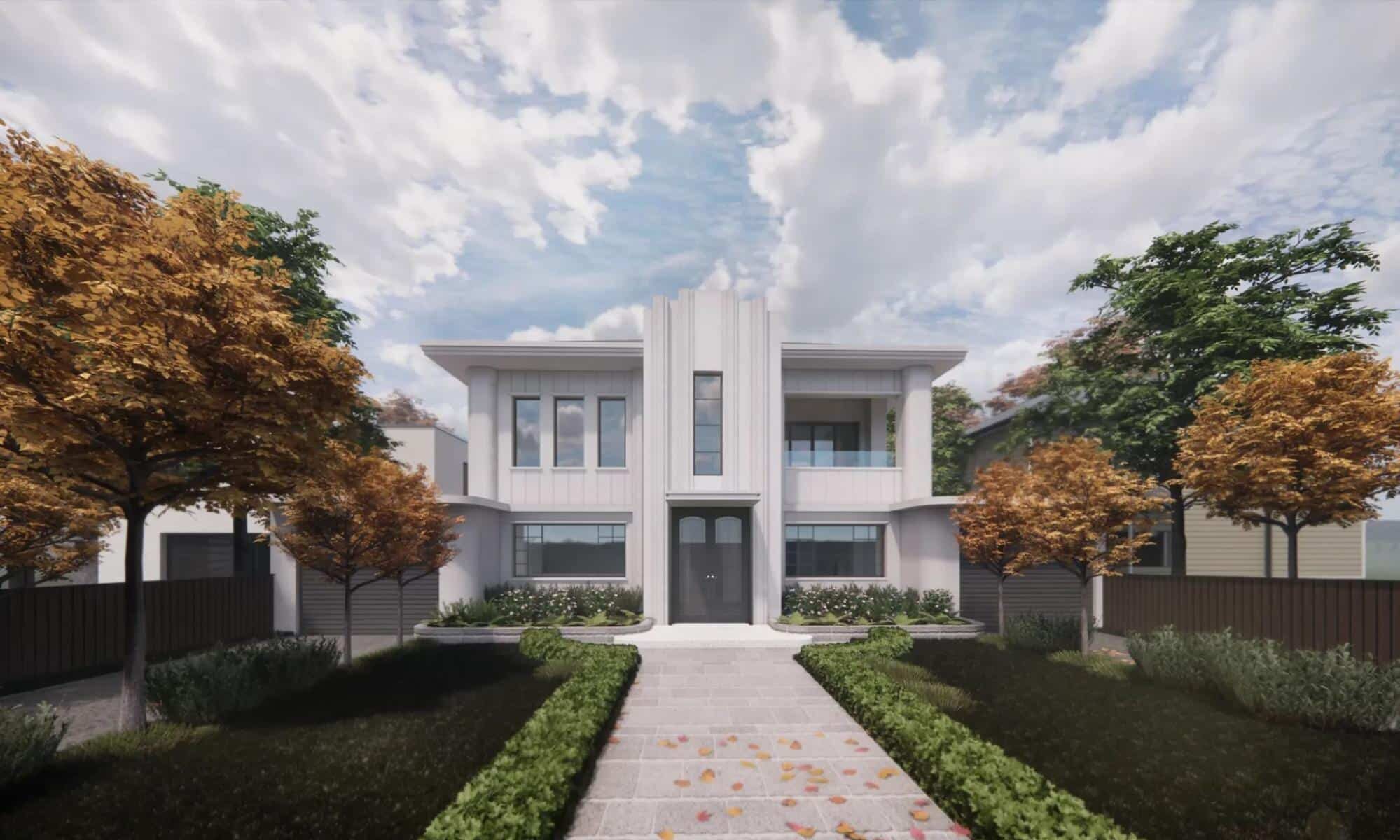
What separates a genuinely luxurious home from one that simply carries a luxury price tag? The answer isn’t found in how much you spend, but in the architectural decisions that shape how you experience your home every single day.
As a leading residential architect in Melbourne, we’ve learned that genuine luxury isn’t about how much you spend but about how thoughtfully you design. The difference lies in the bones of the home: the proportions, the light, the flow, and those carefully considered details that elevate everyday living.
Let’s explore what truly makes a home feel high-end, and why working with an experienced architect creates value that lasts decades, not just seasons.
The Foundation: Intentional Design Over Decoration
High-end homes start with exceptional architecture, not expensive decoration. It’s the difference between applying luxury as a finish and building it into the very structure of your home.
Quality of space trumps quantity of stuff every time. A well-proportioned room with beautiful natural light feels more luxurious than a cluttered space filled with designer pieces. This is where architectural expertise becomes invaluable: understanding scale, proportion, and how people actually move through and use spaces.
Key principles of intentional design:
- Quality of space over quantity of objects
- Cohesive vision across all rooms
- Proper scale and proportion in every space
- Breathing room and negative space
- Connection to Melbourne’s architectural heritage
There’s no showroom feel, no sense that pieces were collected randomly. Instead, there’s an intentional restraint that allows the architecture itself to shine.
Get Expert Design Advice Today
How Does Natural Light Make A Home Feel More Luxurious?
Light is perhaps the single most powerful element in creating a high-end feel. It’s also something that can’t be retrofitted easily, which is why architectural planning is so crucial.
Strategic window placement, thoughtful consideration of Melbourne’s seasonal light patterns, and maximising connections to outdoor spaces transform how a home feels. Natural light doesn’t just illuminate. It creates warmth, reveals textures, and changes throughout the day to keep spaces dynamic and interesting.
Elements of exceptional lighting design:
- Strategic window placement for seasonal light
- Indoor-outdoor visual connections
- Layered artificial lighting (ambient, task, and accent)
- Dimming capabilities throughout the home
- Quality fixtures in appropriate scales
- Integration planned from the design phase
But natural light is only part of the equation. Layered artificial lighting separates truly sophisticated homes from the rest. Instead of relying on a single overhead light, high-end spaces incorporate multiple layers of lighting. A residential architect in Melbourne understands how to integrate lighting into the design from the beginning, rather than treating it as an afterthought.
Materials and Finishes That Elevate Without Excess
Walk through a truly high-end home, and you’ll notice something interesting: there aren’t dozens of different materials competing for attention. Instead, there’s a carefully curated palette of three to five key materials that flow throughout the home.
Natural materials age beautifully. Stone, timber, and quality metals develop character over time rather than showing wear. The tactile quality matters immensely: how materials feel underfoot, under hand, and how they respond to Melbourne’s climate.
Essential material considerations:
- Natural stone for longevity and character
- Quality timber appropriate to the climate
- Metals that patina gracefully
- Three to five materials maximum throughout
- Textures that invite touch
- Sustainability and local sourcing
The real luxury lives in the details most people don’t consciously notice but absolutely feel. Flush transitions between different flooring materials create a seamless flow. Precision joinery with seamless connections demonstrates craftsmanship. Quality hardware on doors and cabinetry operates smoothly for decades. Carefully selected tapware and fixtures become sculptural elements. Clean, contemporary skirting and architrave profiles frame spaces without overwhelming them.
These details require both design expertise and quality execution. They’re the elements that make you pause and think, “Something feels really good about this space,” even if you can’t immediately articulate why.
Explore Our Residential Projects
What Role Does Spatial Planning Play In Luxury Homes?
This is where architecture truly distinguishes itself from interior design. Spatial planning excellence determines how a home actually functions, and a function executed beautifully is the epitome of luxury.
Consider how rooms connect. In a well-designed home, the sequence of spaces creates a natural flow. Sight lines draw you through the home, revealing carefully curated views. The circulation feels effortless rather than awkward.
Ceiling height and volume dramatically impact how spaces feel. The Australian Building Codes Board recommends minimum ceiling heights, but exceptional homes go well beyond minimums. Strategic variations in ceiling height can define distinct zones while maintaining an open feel. A residential architect in Melbourne understands local planning requirements and how to maximise volume within them.
Critical spatial planning elements:
- Thoughtful room adjacencies and flow
- Strategic sight lines throughout the home
- Varied ceiling heights for spatial interest
- Seamless indoor-outdoor transitions
- Circulation that feels natural and effortless
- Built-in storage maintains clean lines
Melbourne’s lifestyle demands strong indoor-outdoor connections. The ability to seamlessly extend living spaces to outdoor areas (whether a courtyard, terrace, or garden) multiplies the perceived size and luxury of your home.
The Details Where Luxury Actually Lives
Here’s a truth about high-end homes: luxury lives in the 5% of details that 95% of people never consciously notice.
Quality switch plates in coordinated finishes. Hardware that operates smoothly with a satisfying weight. Paint lines so crisp they look like they’re drawn with a ruler. Mitred corners that meet perfectly. Doors that close with a gentle, solid sound rather than a hollow bang.
Master craftsmen and architectural specification guides emphasise that execution quality often matters more than material cost. A perfectly installed mid-range material outperforms a poorly installed premium one every time.
Details that define high-end execution:
- Coordinated fixture finishes throughout
- Thoughtful switch and outlet placement
- Quality door and window hardware
- Precision paint lines and perfect mitres
- Smooth-operating mechanisms
- Custom joinery with seamless joints
These aren’t individually expensive elements. But collectively, they create an unmistakable sense of quality. They’re also the details that require an architect’s oversight during construction: someone ensuring that the vision translates perfectly into built reality.
Custom-built-in solutions maintain the clean lines that make spaces feel serene rather than cluttered. Instead of freestanding furniture breaking up wall lines, integrated joinery creates a cohesive, intentional look while often providing more functional storage.
Book a Design Consultation
Why Do High-End Homes Feel Calm Rather Than Cluttered?
Walk into a truly luxurious home, and you’ll notice what’s absent as much as what’s present. There’s a restraint, a sense that every item has earned its place.
This curated approach starts with architecture. When your home has proper storage solutions built in, when the spaces themselves are beautiful, you don’t need to fill them with objects to make them feel complete.
The architecture becomes the focal point:
- Beautiful timber ceiling details
- Thoughtfully designed staircases
- Perfectly proportioned window arrangements
- Architectural features as art pieces
This doesn’t mean homes feel cold or impersonal. The best residential architecture in Melbourne creates a framework that supports your personality without overwhelming the senses. Fewer, better pieces allow each element to shine. Display becomes intentional rather than accidental.
Timeless Design: The Ultimate Luxury Investment
Trends date quickly. That bathroom tile everyone’s installing this year will scream “2025” in a decade. But homes built on classic proportions and enduring design principles feel current for generations.
The Australian Institute of Architects emphasises that enduring design principles focused on proportion, light, and material honesty create homes that maintain value and relevance far longer than trend-driven approaches.
Working with an experienced residential architect in Melbourne means designing for the long term. It’s about understanding what makes a space feel good, not just on Instagram, but day after day, year after year.
Principles of timeless design:
- Classic proportions over trendy layouts
- Enduring materials that age gracefully
- Neutral architectural palette
- Quality construction methods
- Flexibility for changing needs
- Respect for local architectural context
Quality materials, proper proportions, excellent natural light, and thoughtful spatial planning don’t go out of style. They’re investments that increase your home’s value and your quality of life simultaneously.
Creating Your High-End Home With A Residential Architect In Melbourne
The difference between a house that looks expensive and one that feels genuinely luxurious comes down to thoughtful architecture. It’s in the planning, the proportions, the light, and the thousand small decisions that separate good from exceptional.
At Wang Architects, we understand that high-end design isn’t about the biggest budget. It’s about making every decision count. Our Melbourne-based team brings deep local knowledge, collaborative design processes, and an unwavering attention to the details that create homes people genuinely love living in.
Whether you’re building new or undertaking a significant renovation, the investment in quality architectural design creates value that compounds over time. You’re not just creating a beautiful space for today. You’re building a home that will feel as exceptional in 20 years as it does the day you move in.
FAQs About Residential Architects in Melbourne
1. Can a home feel high-end on a modest budget?
Absolutely. Thoughtful design, restrained material palettes, and attention to proportions create a high-end feel regardless of budget. An experienced architect helps you invest strategically in the elements that matter most: spatial planning, natural light, and quality execution of details over expensive finishes.
2. How long does the architectural design process take?
For residential projects in Melbourne, expect eight to 16 weeks for design development, depending on complexity. This includes concept design, planning permits, and construction documentation. Complex sites or heritage overlays may extend timelines.
3. What’s the difference between an architect and a building designer?
Architects complete extensive university training and registration requirements through the Architects Registration Board of Victoria, bringing deeper expertise in complex design, structural integration, and creative problem-solving. For high-end homes, this expertise translates directly into better spatial outcomes and construction oversight.
4. Do I need an architect for a renovation?
For renovations aiming to feel high-end, an architect’s expertise in spatial planning, material selection, and integrating new with old is invaluable. They ensure your investment creates lasting value through proper planning approvals, structural considerations, and design cohesion that building designers may not provide.
5. How do Melbourne’s climate considerations affect high-end home design?
Melbourne’s variable climate requires thoughtful orientation, eave design for seasonal sun control, thermal mass considerations, and material selections that handle humidity and temperature fluctuations. An experienced Melbourne residential architect understands these nuances and designs accordingly.
Ready To Create A Home That Feels Truly Luxurious?
Let’s discuss how thoughtful architectural design can transform your vision into a home that feels exceptional every single day.
Book a Design Consultation with Wang Architects