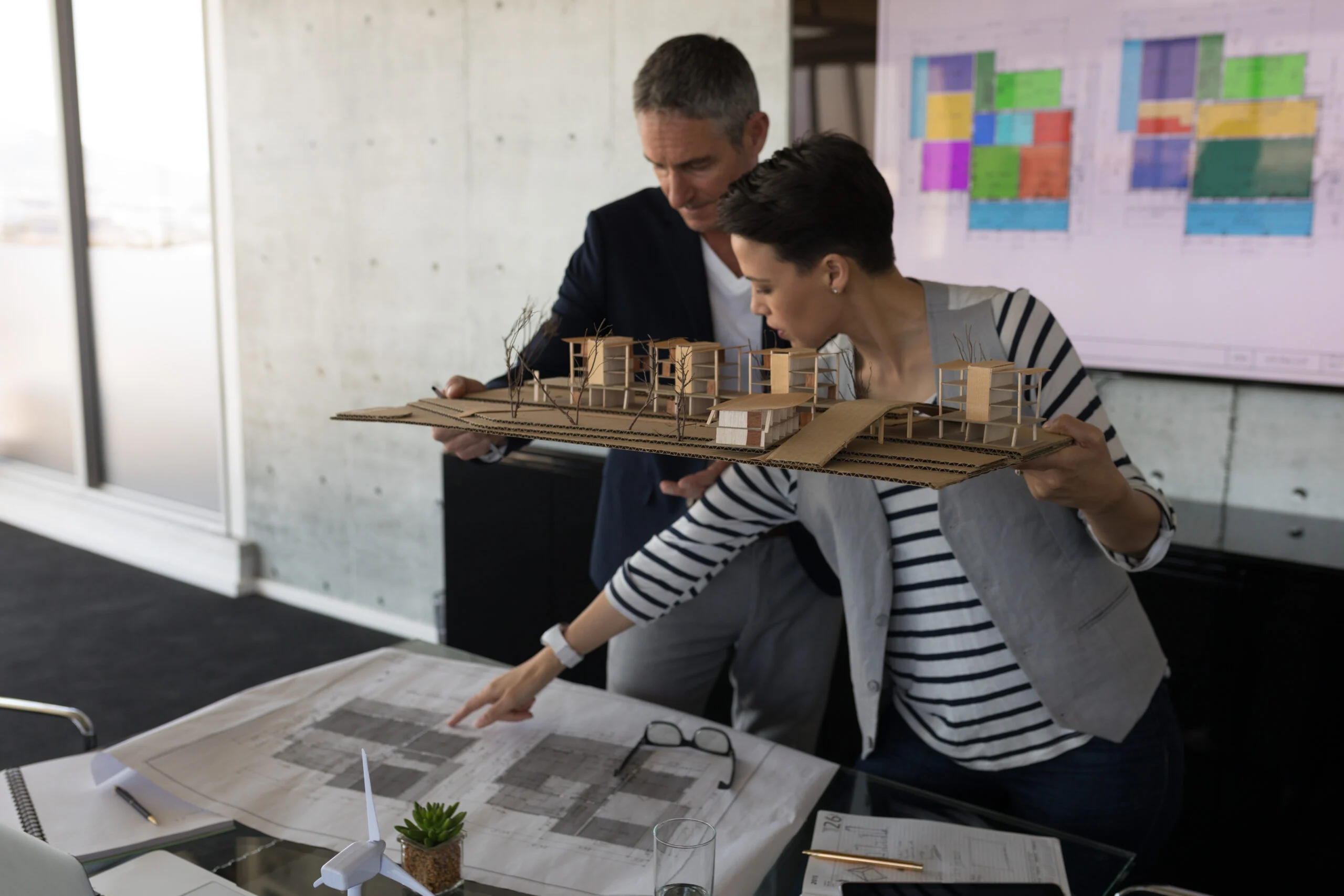
Working with a Melbourne architecture firm isn’t about handing over your ideas and waiting for results. It’s about building a partnership where your voice is heard, your architect’s expertise shines, and the project unfolds in a way that’s both efficient and inspiring.
At Wang Architects, we’re more than designers. Our role is to guide, translate, and support—from the first sketch to the final site visit. Here’s how to collaborate with your architecture firm so the journey is as rewarding as the outcome.
Why Collaboration Matters More Than You Think
An architectural project has many moving parts: design concepts, council approvals, builder negotiations, material choices, and the inevitable challenges that crop up on site. Without strong collaboration, these pieces can easily fall out of sync.
Effective collaboration ensures:
- Your vision is understood and protected.
- Timelines progress steadily, with fewer delays.
- Budgets are respected, with cost-saving alternatives explored early.
- Designs evolve creatively, shaped by both client input and professional insight.
Think of your architect as both a designer and a project partner. When you work with a Melbourne architecture firm that values transparency—like Wang Architects—you’re not just commissioning a building, you’re shaping an experience.
Step One: Create a Brief That Tells Your Story
The best collaborations begin long before the first drawing is sketched. A thoughtful project brief helps your architect understand not just what you want, but why you want it.
A strong brief includes:
- The lifestyle you’re designing for (young family, multi-generational living, downsizing).
- Functional needs (home office, outdoor entertaining, storage solutions).
- Aesthetic preferences (materials, colours, architectural styles you admire).
- Budget range and flexibility.
At Wang Architects, this comes to life in the Schematic Design stage. Our team sits down with you to explore your personality, style preferences, and aspirations. We use sketches, 3D models, and visual tools to show how spaces will look and feel. This isn’t about presenting a finished solution; it’s about creating a shared language between you and your architect.
Step Two: Keep Communication Honest and Consistent
Clear communication is where collaboration either thrives or falters. It’s not just about scheduled updates—it’s about creating an environment where clients feel comfortable asking questions and giving feedback.
- Agree on communication methods early. Do you prefer email summaries, phone check-ins, or in-person meetings?
- Be timely with feedback. The earlier you raise concerns, the easier they are to resolve.
- Stay open to discussion. Sometimes an architect’s suggestion may feel unexpected at first, but it often opens the door to a smarter solution.
At Wang Architects, transparency is built into every stage. For example, during Design Development and Tendering, we not only refine drawings with engineers but also prepare detailed documentation for builders. By keeping clients involved in reviewing specifications and costs, surprises are avoided and confidence is strengthened.
Step Three: Understand the Journey and Its Timelines
One of the most common sources of client frustration is not knowing what comes next. Understanding the architectural process removes uncertainty and helps you stay engaged.
Here’s how a typical journey with a Melbourne architecture firm unfolds:
- Schematic Design: Establishing the overall vision and form.
- Town Planning (DA) Package: Preparing and lodging council applications.
- Design Development & Tendering: Refining details and supporting builder selection.
- Construction Documentation & Building Permit: Creating comprehensive drawings for approval and construction.
- Construction Service: Regular site visits and issue resolution during the build.
At Wang Architects, we guide you through each of these stages. For example, our Town Planning service includes liaising directly with council and preparing all necessary documentation, easing what can often be a stressful process for property owners.
Step Four: Face Challenges Together
No project is without its curveballs. What matters is how you and your architect handle them.
- Budget alignment: During tendering, Wang Architects helps clients compare builders’ quotes and refine the scope to match budgets without losing design intent.
- Design changes: Adjustments are natural. By using sketches and models, our team shows clients how changes will impact the bigger picture before decisions are made.
- Council approvals: With in-house expertise in regulatory requirements, Wang Architects prepares development applications and liaises directly with authorities to keep approvals on track.
Challenges aren’t roadblocks; they’re opportunities to problem-solve collaboratively.
The Payoff: Why Strong Collaboration Leads to Better Design
The benefits of an engaged architect-client relationship go far beyond smoother workflows.
- Efficiency: Clear communication prevents delays and keeps builders on track.
- Creativity: Architects who deeply understand clients can push boundaries in exciting ways.
- Budget control: Honest discussions lead to smarter design choices.
- Personalisation: The final design reflects who you are, not a cookie-cutter plan.
Through Interior Design services, Wang Architects translates personal taste into material choices, lighting layouts, and colour palettes—ensuring interiors feel as unique as the people living in them. Meanwhile, Construction Services provide peace of mind on site, with architects proactively solving issues and keeping the design intent intact.
Five Tips for Renovators and Property Owners
If you’re preparing to work with a Melbourne architecture firm, here are five practical ways to set your project up for success:
- Bring visuals: Photos, Pinterest boards, or even rough sketches help communicate your vision clearly.
- Be upfront about budget: The more transparent you are, the better your architect can tailor solutions.
- Stay engaged but trust expertise: Be part of the journey without micromanaging.
- Give feedback quickly: Small delays in approval can have a ripple effect on timelines.
- Embrace flexibility: Some of the best design solutions come from unexpected suggestions.
Wang Architects’ Collaborative Philosophy
At Wang Architects, collaboration is more than a process—it’s a mindset. Our services are designed to walk alongside you at every stage:
- Schematic Design: Tailored concepts grounded in your lifestyle.
- Town Planning Packages: Expert navigation of local council approvals.
- Interior Design: Spaces that balance beauty, usability, and comfort.
- Design Development & Tendering: Refined details and builder guidance.
- Construction Documentation & Building Permit: Comprehensive drawings and specifications.
- Construction Service: On-site support to keep projects running smoothly.
We don’t just design—we partner with you to realise your architectural imagination and achieve the best outcome for your project.
See how collaboration has shaped our Completed Projects across Melbourne, or hear from clients who valued the journey on our Testimonials page.
Frequently Asked Questions
1. How do I prepare to work with an architecture firm?
Start with a clear project brief, budget, and timeline to align expectations.
2. What’s the best way to collaborate with architects during design?
Maintain open communication, provide timely feedback, and trust the process.
3. Can an architecture firm adapt to changes mid-project?
Yes. Experienced firms like Wang Architects help manage scope changes while keeping projects on track.
4. How do architects handle budget discussions?
They provide guidance on realistic budgets and adjust designs to balance vision and cost.
5. Why choose a Melbourne-based architecture firm?
Local firms understand regional regulations, styles, and council processes, ensuring smoother project approvals.
Ready to Collaborate on Your Project?
Working with a Melbourne architecture firm should feel like a partnership, not a transaction. When clients and architects collaborate openly, projects are smoother, designs are stronger, and outcomes are more rewarding.
At Wang Architects, we combine creative vision with practical support—helping Melbourne renovators and property owners bring their ideas to life.
- Browse our Completed Projects for inspiration.
- Discover our full range of Architecture Services Melbourne.
- Ready to begin? Contact Wang Architects today to start your journey.