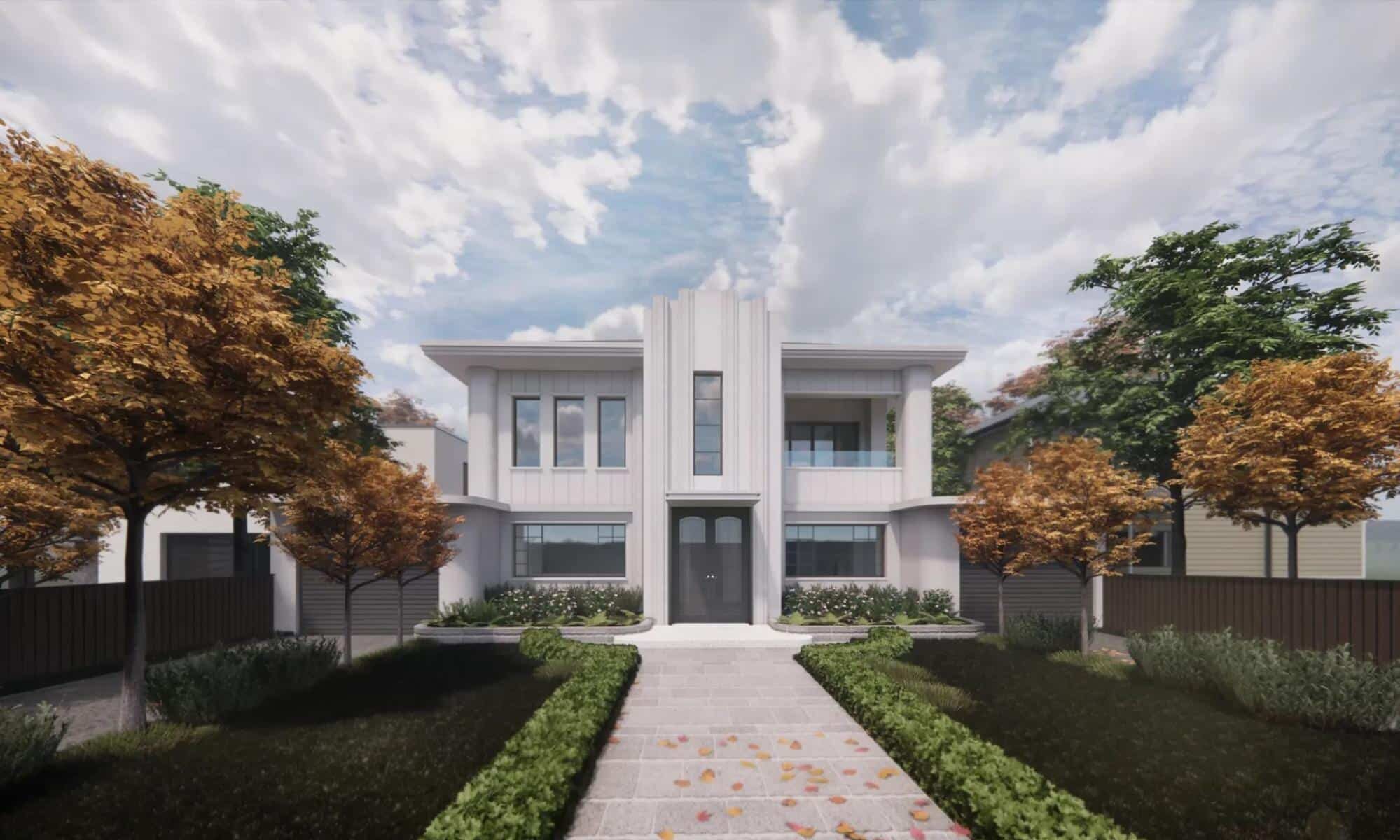
Many homeowners feel uncertain about what is possible on a heritage site, as planning controls can be complex and early design decisions made without a clear strategy often result in delays, redesigns, or compromised outcomes. When heritage considerations are addressed properly from the start, the process becomes more focused, more efficient, and far easier to navigate.
As luxury home architects in Melbourne, we bring clarity to heritage projects through strong design thinking and carefully prepared planning documentation that clearly communicates intent. This approach helps councils assess proposals with confidence and gives clients a clear, assured path from concept through to approval.
Enquire Now
What a Heritage Overlay Means for Your Project in Melbourne
A Heritage Overlay is a planning control that protects places of cultural, historical, or architectural significance, with a strong focus on elements visible from the street that contribute to the character of the area. Councils closely assess changes to features such as front façades, roof forms, windows, doors, fences, and any additions visible from public spaces, not to prevent development, but to ensure new work responds appropriately to the existing streetscape and heritage context.
Luxury home architects in Melbourne help navigate these requirements by developing clear, well-considered designs that retain significant heritage features while allowing homes to function better for contemporary living. When design decisions are supported by strong architectural reasoning and well-prepared planning documentation, proposals are easier for councils to assess, helping create a smoother and more predictable approval process.
Step 1: Confirm Property Controls Before Design Commences
Before starting any design work, it is important to confirm what planning controls apply to the property. This step helps avoid design changes later that can affect time and cost.
This usually involves checking if a Heritage Overlay applies and reviewing the specific schedule linked to the site. Some properties may also be listed on the Victorian Heritage Register, which adds extra approval steps.
If anything is unclear, written advice from council planners should be requested and kept on record. Clear information at the start supports better design decisions.
Get Advice
Step 2: Identify Architectural Elements That Commonly Require Approval
Heritage controls often apply to specific parts of a home. Understanding these early helps the design respond in the right way from the start.
Elements that commonly require approval include changes to the front façade, verandahs, roof form, and any additions that can be seen from the street. Upper levels, fencing, and new windows or doors that change appearance are also closely reviewed.
Basic repairs that replace materials like-for-like may not need approval, but this should always be confirmed before design work progresses.
Step 3: Establish a Clear Architectural Narrative
Councils do not only assess drawings. They also look for a clear explanation of why the design makes sense for the site.
A strong architectural narrative usually explains which heritage elements are being kept, how new work is set back or made less dominant, and why the design fits the street. New work should feel calm and well-proportioned rather than trying to copy old details.
During early design stages, we work closely with clients to understand how the home needs to function. We then shape the design so it responds clearly to both heritage context and everyday use.
Step 4: Prepare a Planning-Ready Architectural Submission
Clear documentation helps councils assess heritage projects more efficiently. When information is missing or unclear, requests for changes are more likely.
A good submission usually includes existing and proposed drawings, clear elevations, sections showing height and roof form, and photos of the home and street. A materials and finishes schedule helps explain the design intent in simple terms.
For heritage sites, a short heritage impact statement and clearly labelled drawings showing what is kept and what is new are strongly recommended.
Request a Consultation
Step 5: Treat Town Planning as an Architectural Stage
Town Planning works best when it is treated as part of the design process, not as a formality. Clear structure and planning help avoid confusion later.
Our Town Planning application service supports this stage by confirming council expectations and preparing consistent architectural drawings and reports. Feedback from the council is addressed carefully so the overall design intent remains clear.
Common focus areas include street visibility, building height, setbacks, and how the design fits the neighbourhood.
Step 6: Align Design Intent Before Documentation Is Finalised
A planning permit should reflect a clear and resolved design. Problems often arise when the approved drawings leave too many decisions open.
At this stage, we focus on confirming the main form, layout, and key heritage-facing elements. Clear decisions early help ensure the approved design matches the intended outcome.
This approach reduces the need for later design changes that can affect clarity and confidence.
Step 7: Transition Cleanly from Planning to Detailed Documentation
Planning approval sets the direction for the project. Detailed documentation explains how that design is carried through.
Keeping drawings consistent and clearly coordinated helps maintain design intent. This clarity supports smoother progression through later stages and protects the architectural outcome.
Step 8: Maintain Architectural Integrity Through Project Progression
Heritage sites can reveal unexpected conditions. Maintaining architectural integrity relies on clear design thinking and timely input when questions arise.
Ongoing architectural involvement helps clarify intent, respond to changes, and ensure decisions remain aligned with the approved design and heritage objectives.
Frequently Asked Questions
1. Do I need a planning permit for a heritage project in Melbourne?
In many cases, yes. External changes that are visible from the street usually require a permit. Like-for-like repairs may not be, but council confirmation is recommended.
2. Can heritage homes be extended in Melbourne?
Yes, in many cases. Extensions are usually designed to be less visible and respectful of the original home.
3. What helps heritage applications get assessed more smoothly?
Clear drawings, good photos, a materials schedule, and a simple heritage impact statement help councils understand the proposal.
4. How involved should an architect be on a heritage project?
Early and ongoing architectural input helps guide decisions and protect the design intent as the project progresses.
5. Where do most heritage concerns come from?
Street appearance, height, visibility, and privacy are common concerns. Clear architectural responses help address these issues.
6. Can high-quality contemporary design work within heritage controls?
Yes. Thoughtful modern architecture that respects context is a key strength of luxury home architects in Melbourne.
Ready to Approach Heritage Design with Clarity
If you are planning a project on a heritage-controlled site and want clear architectural guidance, we can help you move forward with confidence and structure.